NEWS
&
Events
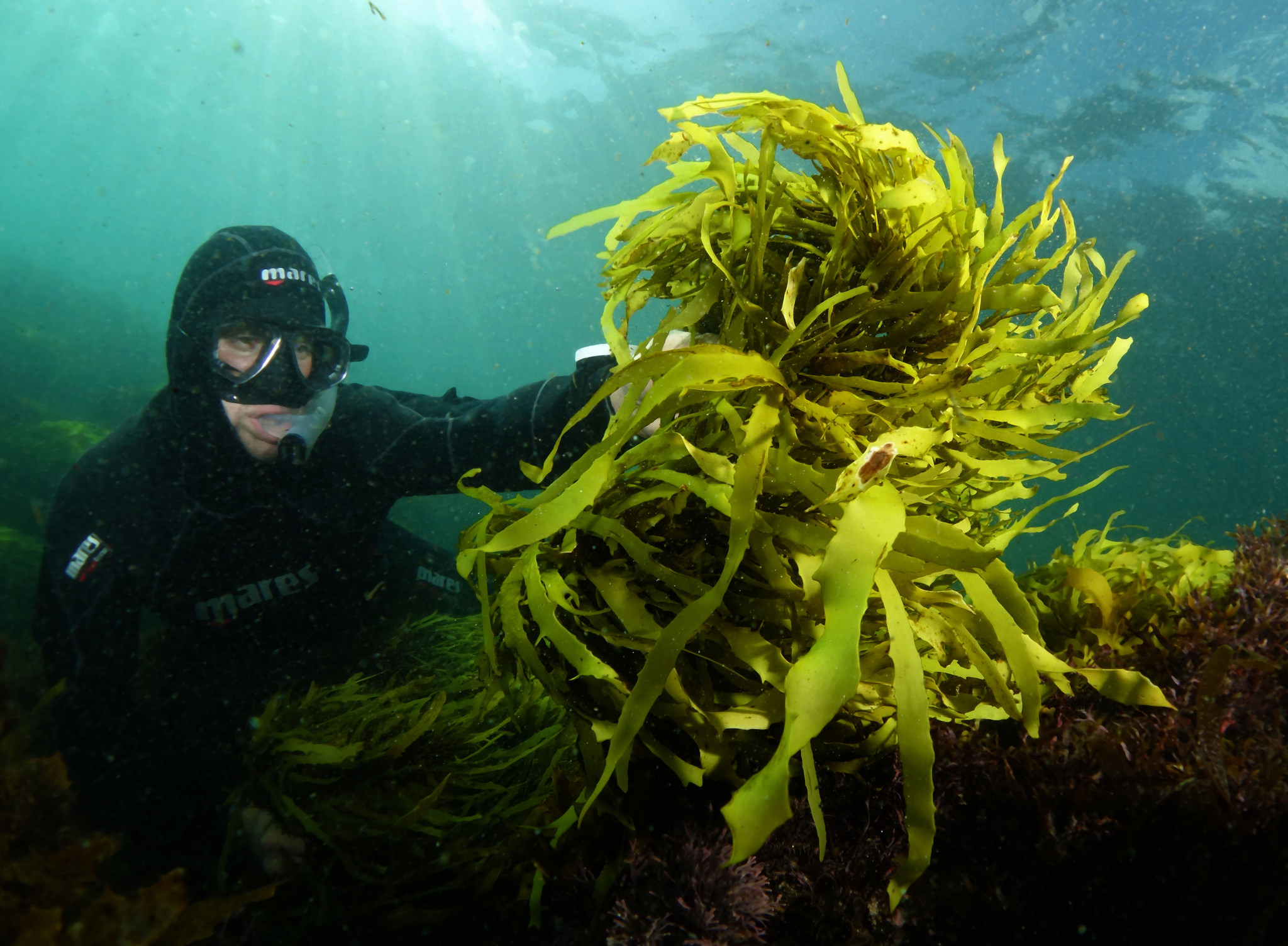
Help Choose the Name of Freshwater's Kelp Forest
Did you know that while many forests on land have names, most underwater forests remain unnamed?
Operation Crayweed is working to change that by inviting the community to help name the seaweed forest growing offshore from Freshwater Beach on Sydney's Northern Beaches.
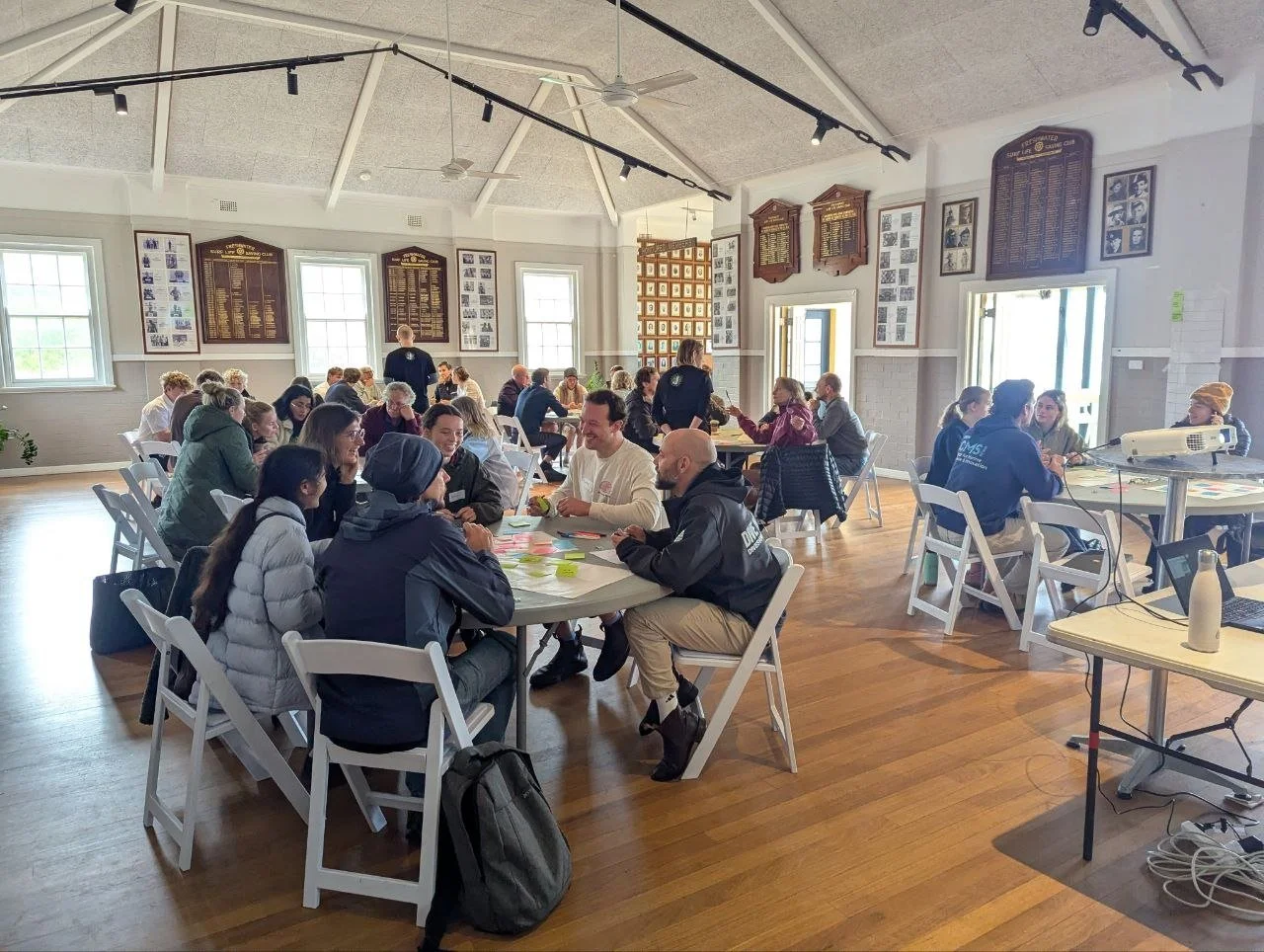
Following a community workshop attended by residents, scientists, Aboriginal representatives, ocean users and other stakeholders, three potential names have been selected. Now it's time for the wider community to have their say.
Cast your vote!
Vote for your favourite name HERE
Voting is open to everyone, and each person may vote once.
Why name an underwater forest?
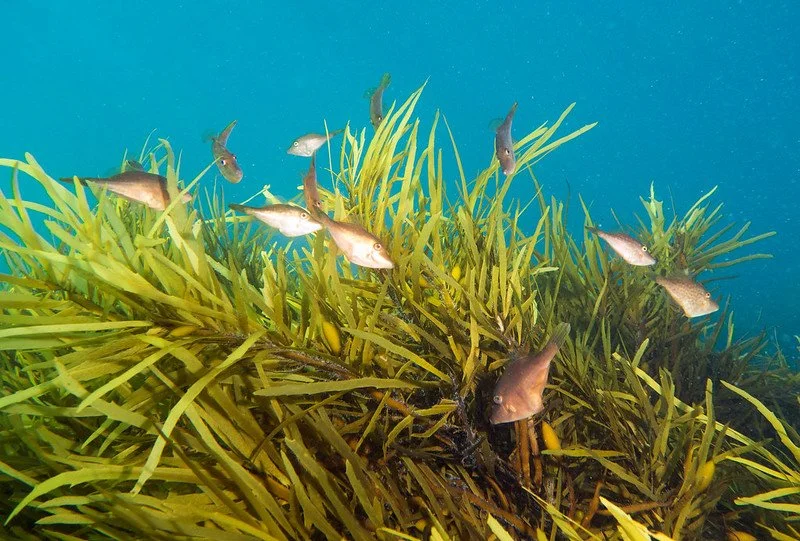
Seaweed forests are among Australia's most important marine ecosystems. They provide habitat for fish, crayfish and many other marine species, help support healthy reefs, and are enjoyed by swimmers, snorkellers and divers. Yet, unlike forests on land, they rarely have names that help people recognise, talk about and connect with them.
Naming a place is a simple but powerful way of making it more visible. It helps create identity, encourages stewardship, and celebrates the ecological and cultural significance of these remarkable underwater environments.
The three shortlisted names were developed through a community workshop and include names inspired by the local environment, geography and Aboriginal language. Indigenous-language names were reviewed with Metro Local Aboriginal Land Council to ensure they reflect current language knowledge.
Voting closes soon, so don't miss your chance to help choose the name of Freshwater's underwater forest.
Naming an underwater forest: the community chooses Yanggaa Kelp Forest
What do you call a forest that most people never see?
That was the question at the heart of our recent Forests Without Names project, which invited the community to help name one of Sydney's most remarkable restoration success stories: the underwater forest growing beneath the waters of South Coogee.
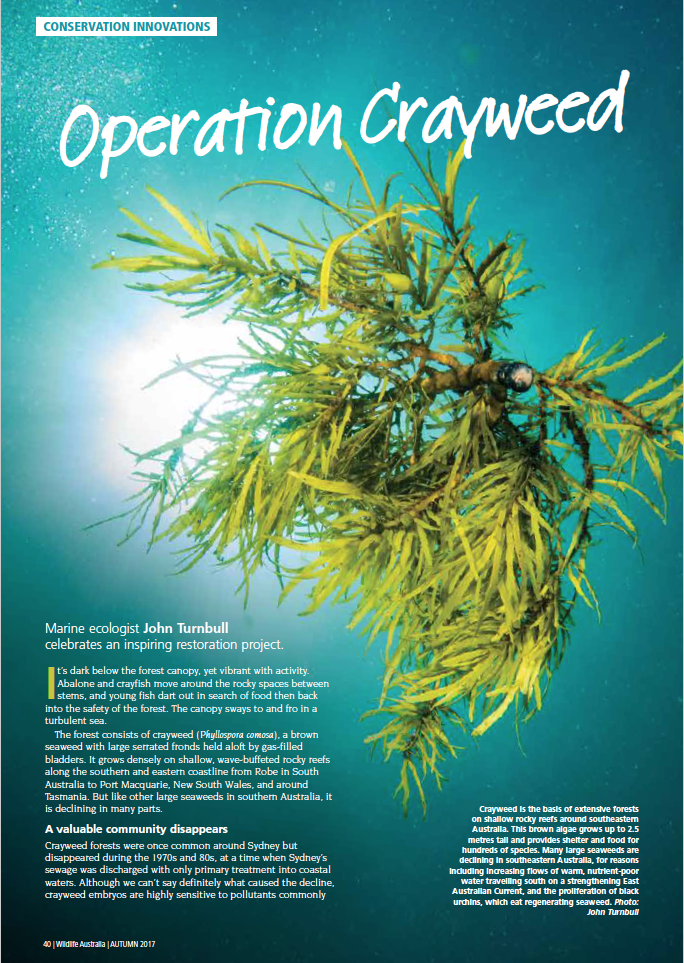
For nearly a decade, Operation Crayweed has been working to restore crayweed (Phyllospora comosa) to South Coogee's reefs. Once abundant along Sydney's coastline, crayweed disappeared from the city in the 1980s and failed to return naturally, even after water quality improved. Today, South Coogee is one of our most successful restoration sites and one of only a handful of places where restored crayweed and golden kelp grow side by side, creating a thriving underwater forest.
But ecological restoration is about more than restoring species. It's also about restoring connections between people and place.
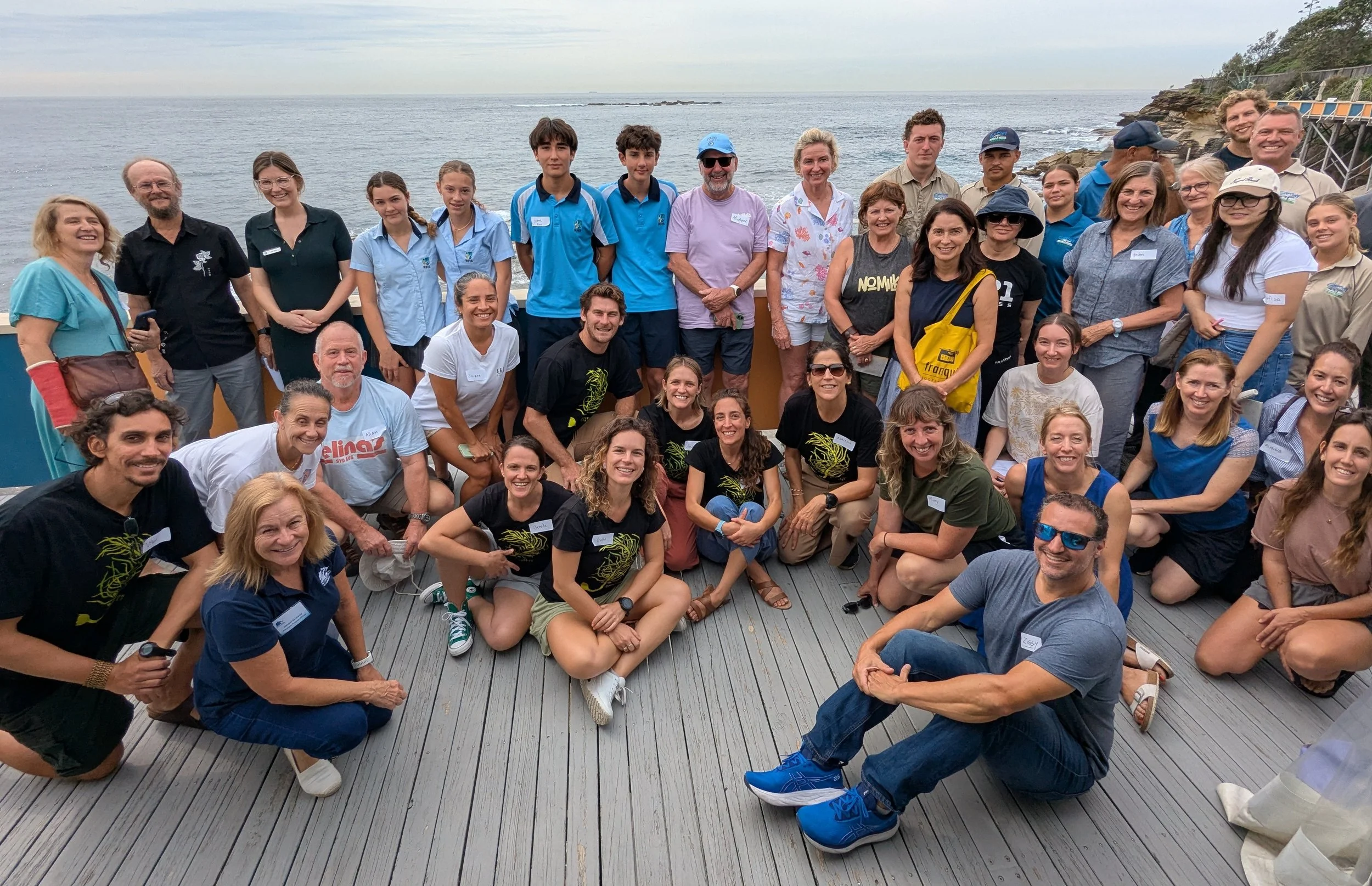
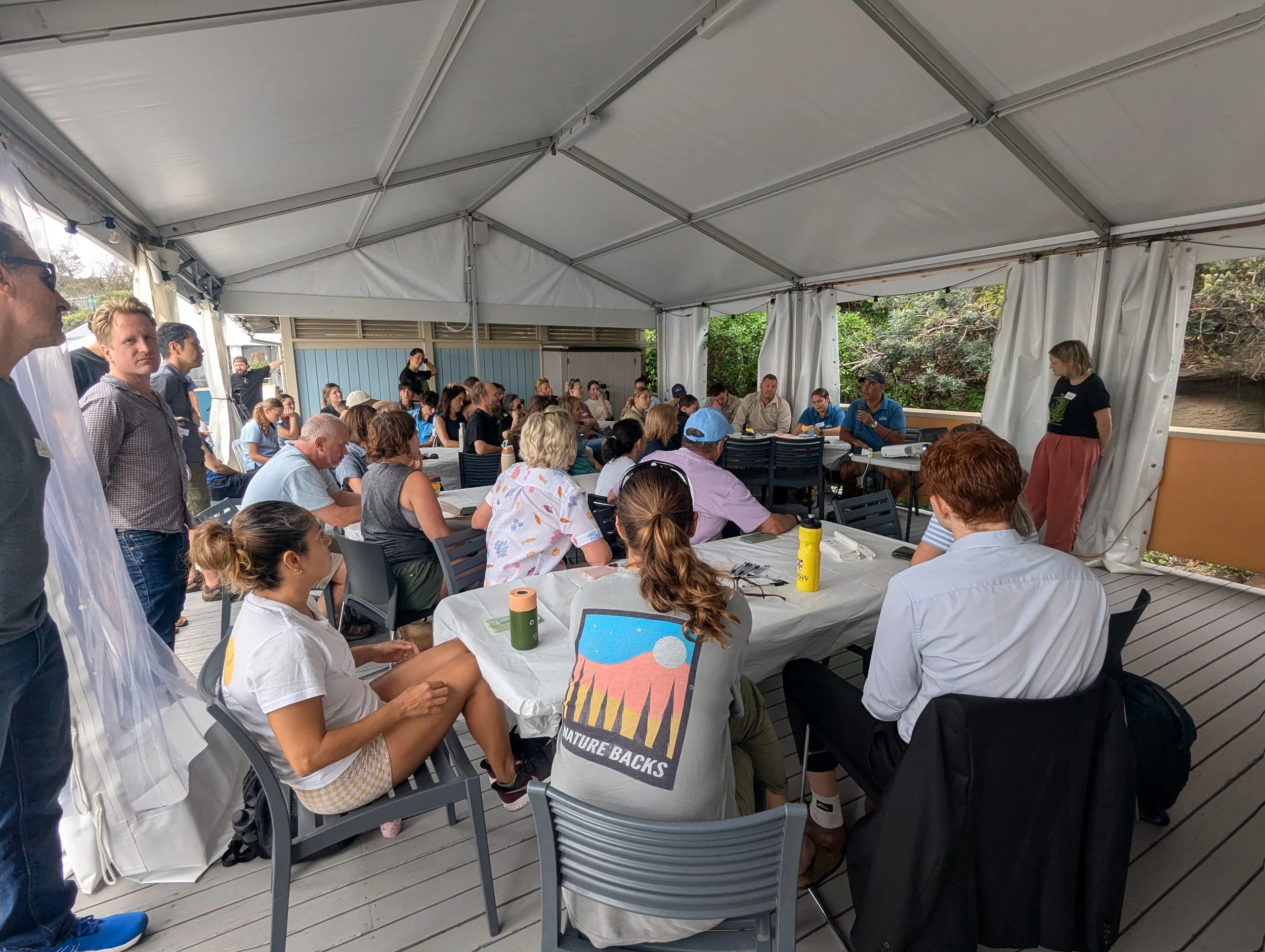
To explore what this underwater forest means to the community, we brought together swimmers, surfers, divers, residents, scientists, educators, council representatives and members of the indigenous community for a collaborative naming workshop. Participants learned about the ecology and history of the site, shared stories and perspectives, and worked together to generate possible names.
The workshop produced a shortlist of names that reflected the forest's ecological significance, cultural connections and local identity. These names were then put to a public vote, allowing the wider community to participate in the decision.
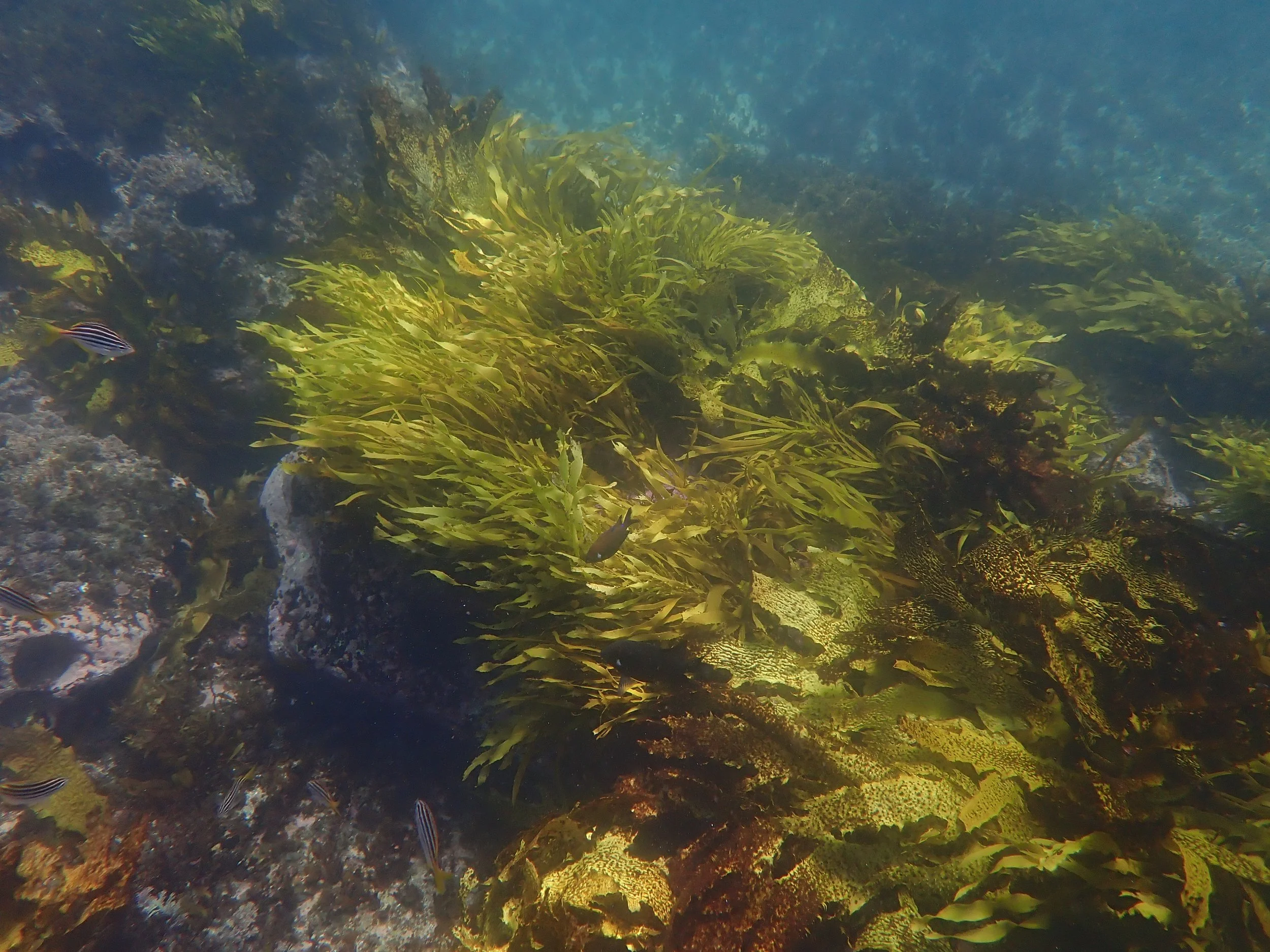
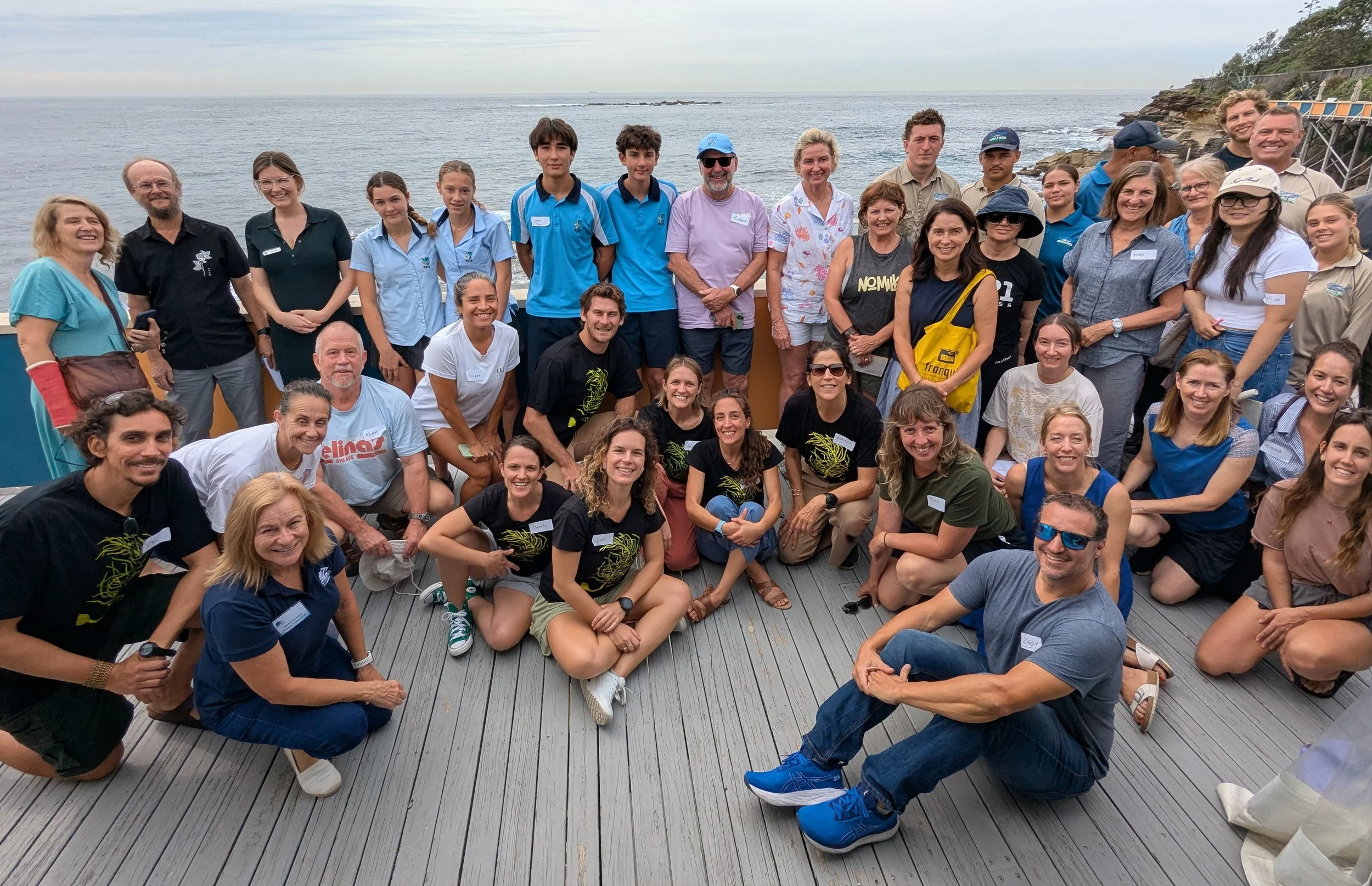
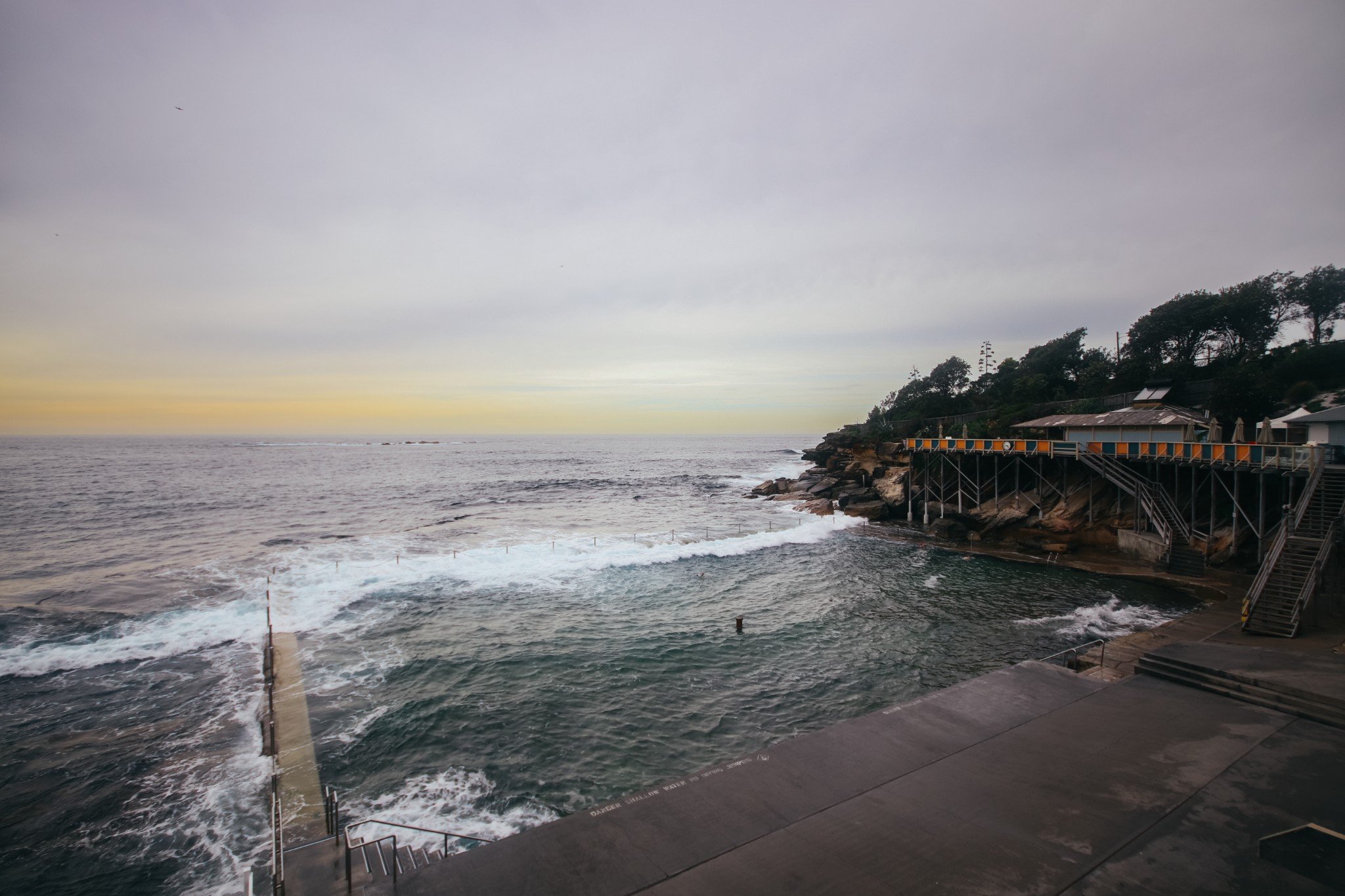
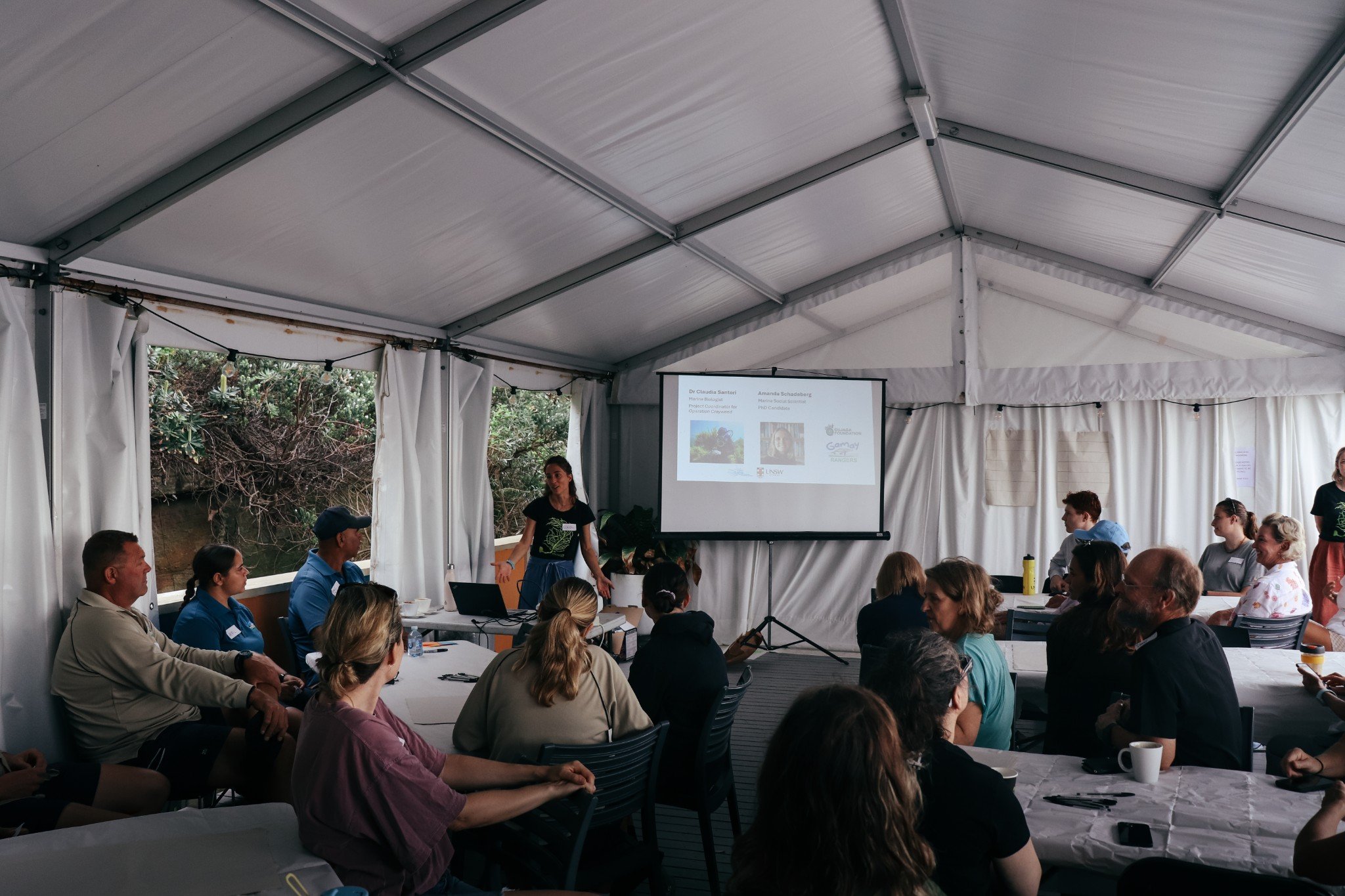
More than 1,600 people cast their vote on the Forests Without Names website and map. The community's chosen name was Yanggaa Kelp Forest.
Yanggaa is a Dharawal word for crayfish, a species closely associated with crayweed habitat. The name reflects the ecological importance of the forest while recognising the enduring cultural connections between people and Sea Country.
One of the most rewarding aspects of the project was seeing how many people wanted to be involved. Participants shared memories of Coogee's coastline, discussed the role of marine habitats in supporting biodiversity, and reflected on how naming can shape the way we value and care for places.
While forests on land are often celebrated and recognised, underwater forests are frequently overlooked despite supporting extraordinary biodiversity. Naming this ecosystem provides an opportunity to make the invisible visible and to help more people discover the rich marine life that exists just offshore.
The proposed name is now being progressed through the relevant approval processes. Moreover, interpretive signage at South Coogee is planned to be installed, to help residents and visitors learn about the ecological and cultural significance of Yanggaa Forest and the remarkable restoration story behind it.
This project would not have been possible without the enthusiasm and generosity of everyone who participated in the workshop, submitted ideas, voted, and shared their knowledge along the way. Thank you for helping give Sydney's restored underwater forest a name for the first time!
As part of this project, we made a short film. Please check it out below. We are also planning a second workshop to name another forest, this time at Freshwater. Please join us!
This project was kindly sponsored by Hyundai.
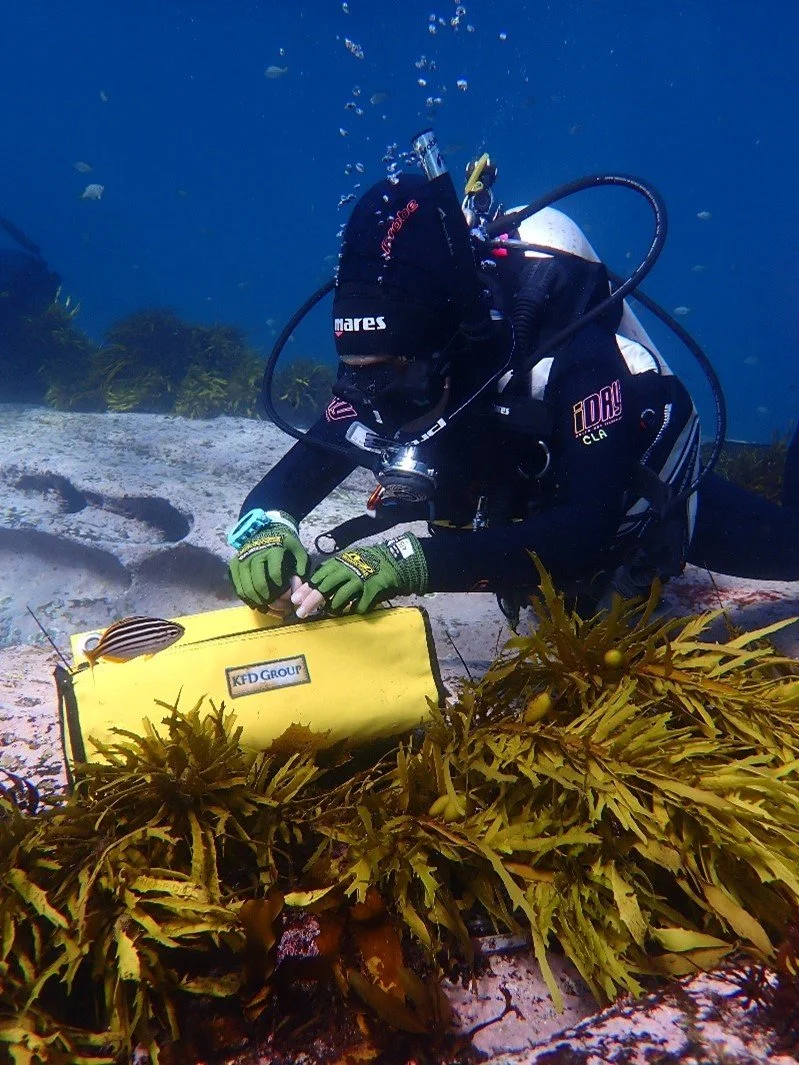
This winter, Sydney’s underwater forests continue to grow
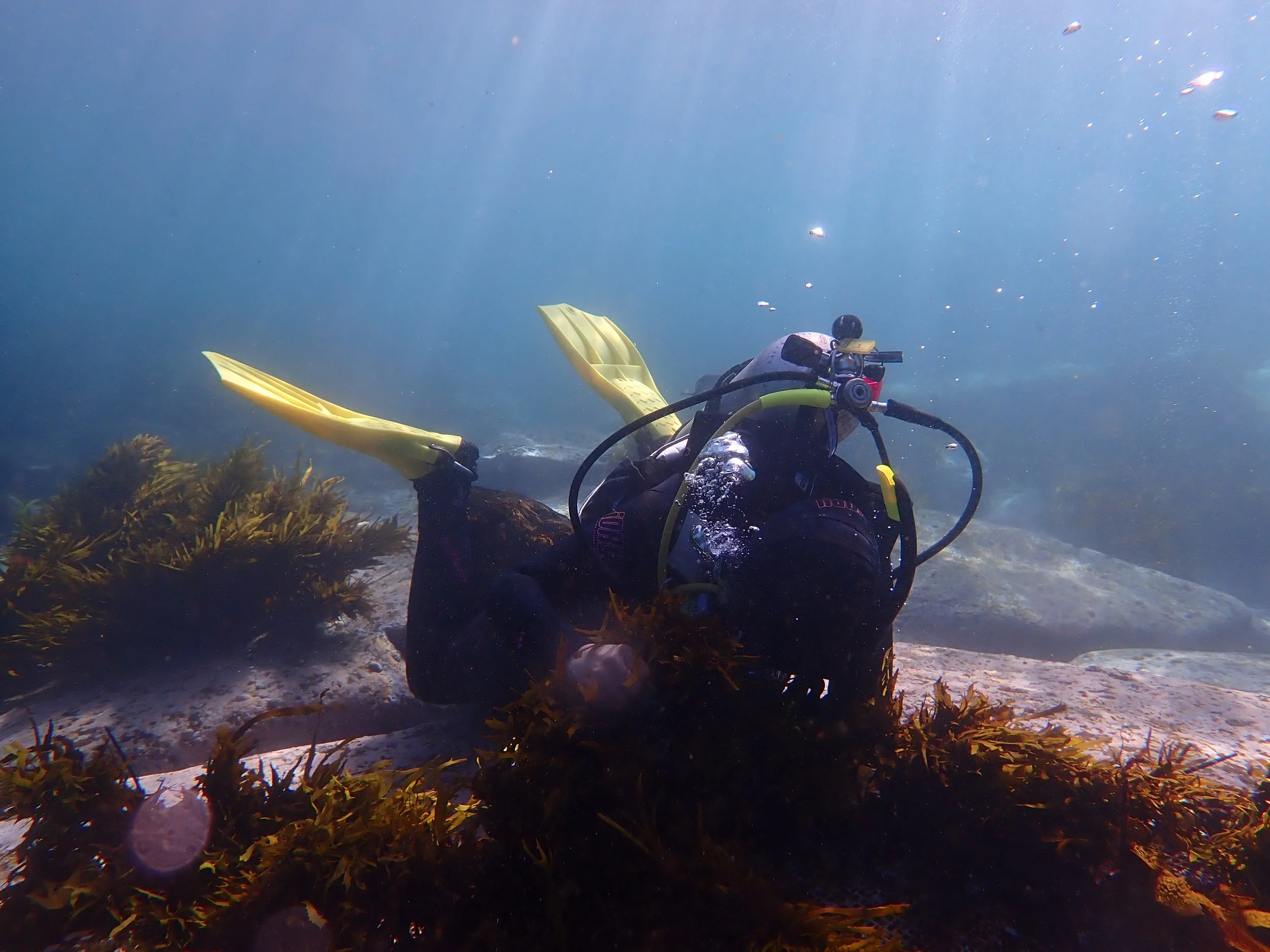
This winter, the Operation Crayweed team took another big step toward restoring Sydney’s lost underwater forests. Divers braved the chilly seas to establish three new restoration sites - at Bluefish Point, Coogee, and Wedding Cake Island – adding to the growing network of active crayweed restoration sites. Some of the earlier sites also received a winter “top-up,” helping to strengthen the forests that began there in previous years.
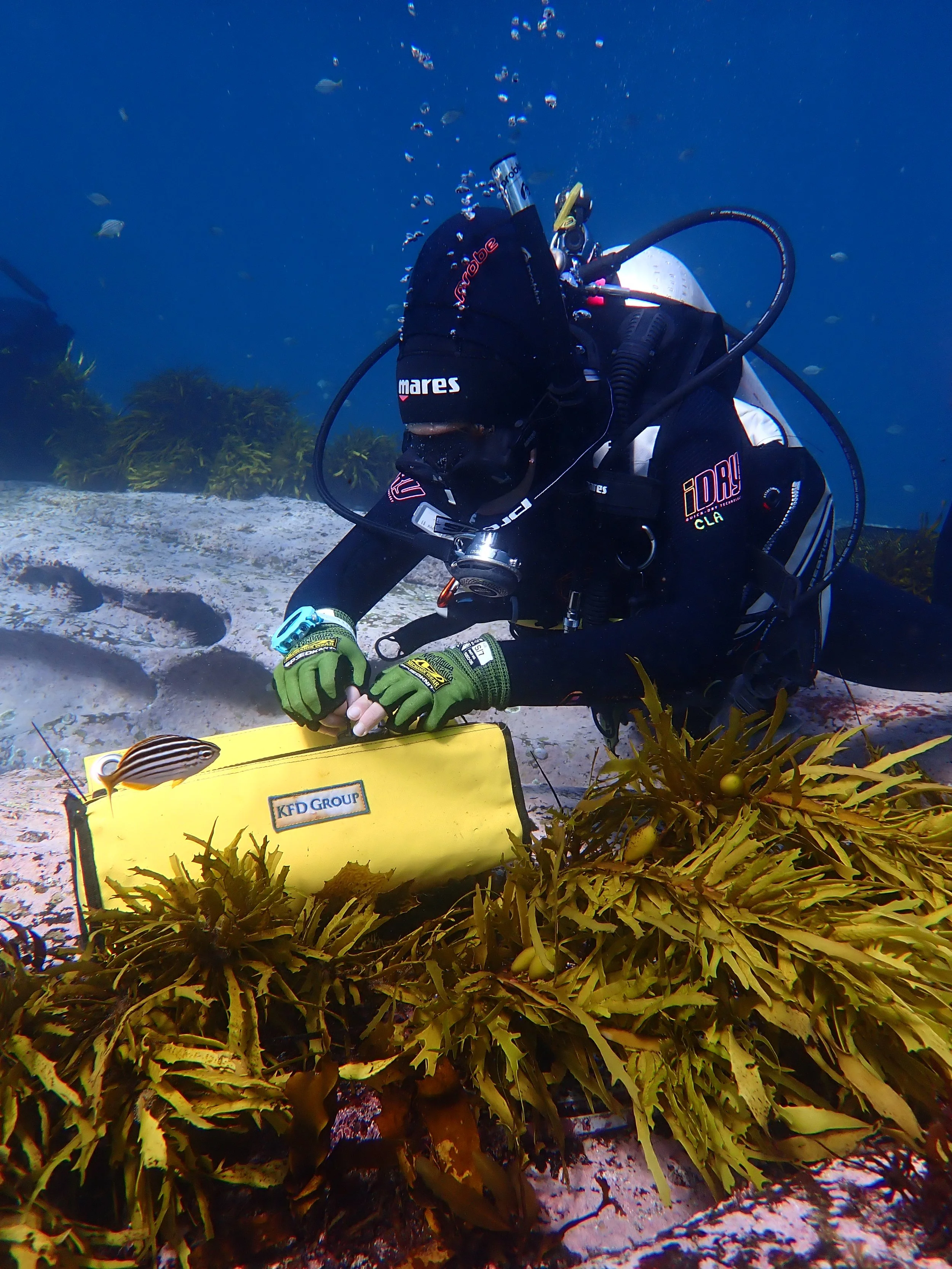
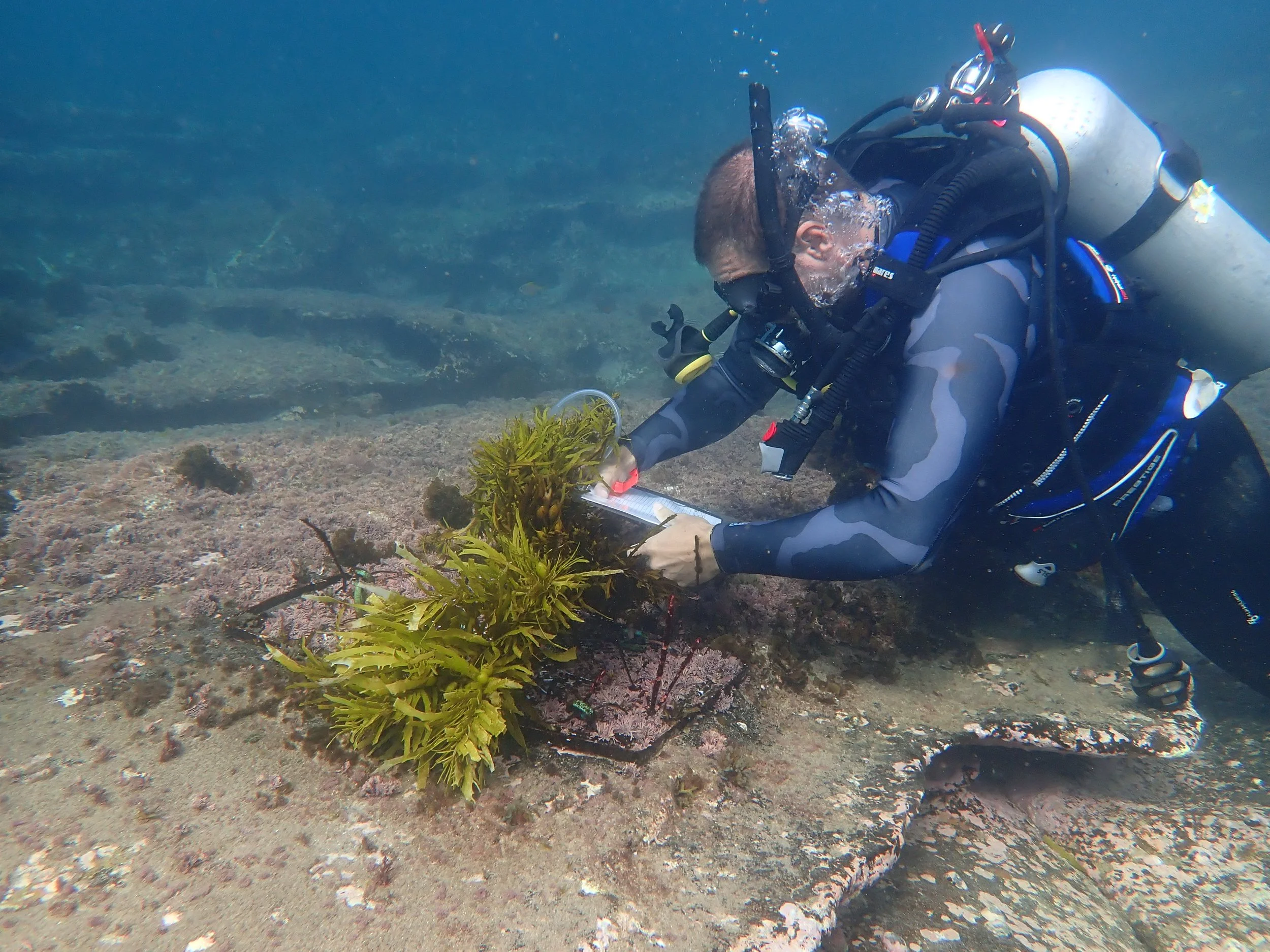
Planting in Lurline Bay, one of the several Sydney sites the team worked at this winter.
Now, as the water warms and spring approaches, divers will return to see how the sites are doing. Early signs look fantastic, as tiny new “craybies” (baby crayweed) have been spotted naturally sprouting across most restored sites – this is a sign that a new forest is developing. This season’s plantings will give the developing forests an extra boost and bring us closer to the goal of establishing crayweed forests that can take care of themselves along Sydney’s coastline.
Innovation was also in full swing this winter. The team trialled a new “bag method” for transplanting crayweed — a new technique that lets divers restore shallower, wave-exposed areas that are difficult to reach. One of the advantages of this method is that it uses fewer donor plants from healthy populations, which would make it a win for both restoration and sustainability. Divers will be checking in spring to see how this new approach performs under real-world conditions – stay tuned for updates!
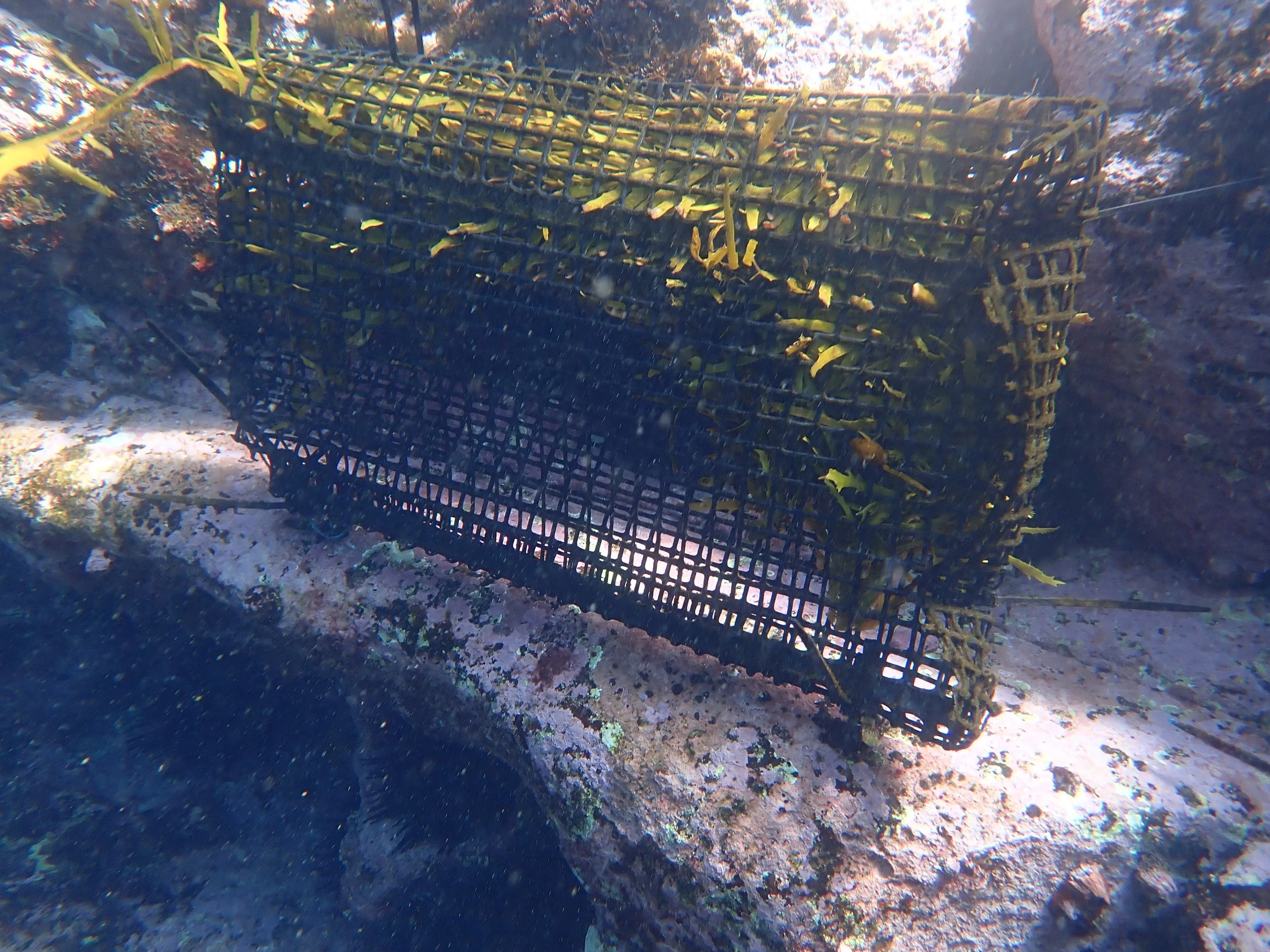
‘Crayweed bag’ trial in Coogee.
And of course, no season would be complete without our community getting involved. Although one outreach event was postponed due to wild weather, the team is excited to announce it has been rescheduled for December 5th at Freshwater Beach, as part of the Manly Ocean Festival. It’ll be a chance for everyone to meet the team, learn about Sydney’s lost (and now reappearing) seaweed forests, and celebrate their comeback. Keep an eye on the Operation Crayweed Instagram for updates and event details!
Operation Crayweed wouldn’t be possible without the generosity of The Ian Potter Foundation, Investa, Patagonia, Sarah & Sebastian, and all the many people who have so kindly donated to our project, helping make this restoration journey possible. Thanks to all of you, Sydney’s underwater forests are returning, one patch of crayweed at a time!
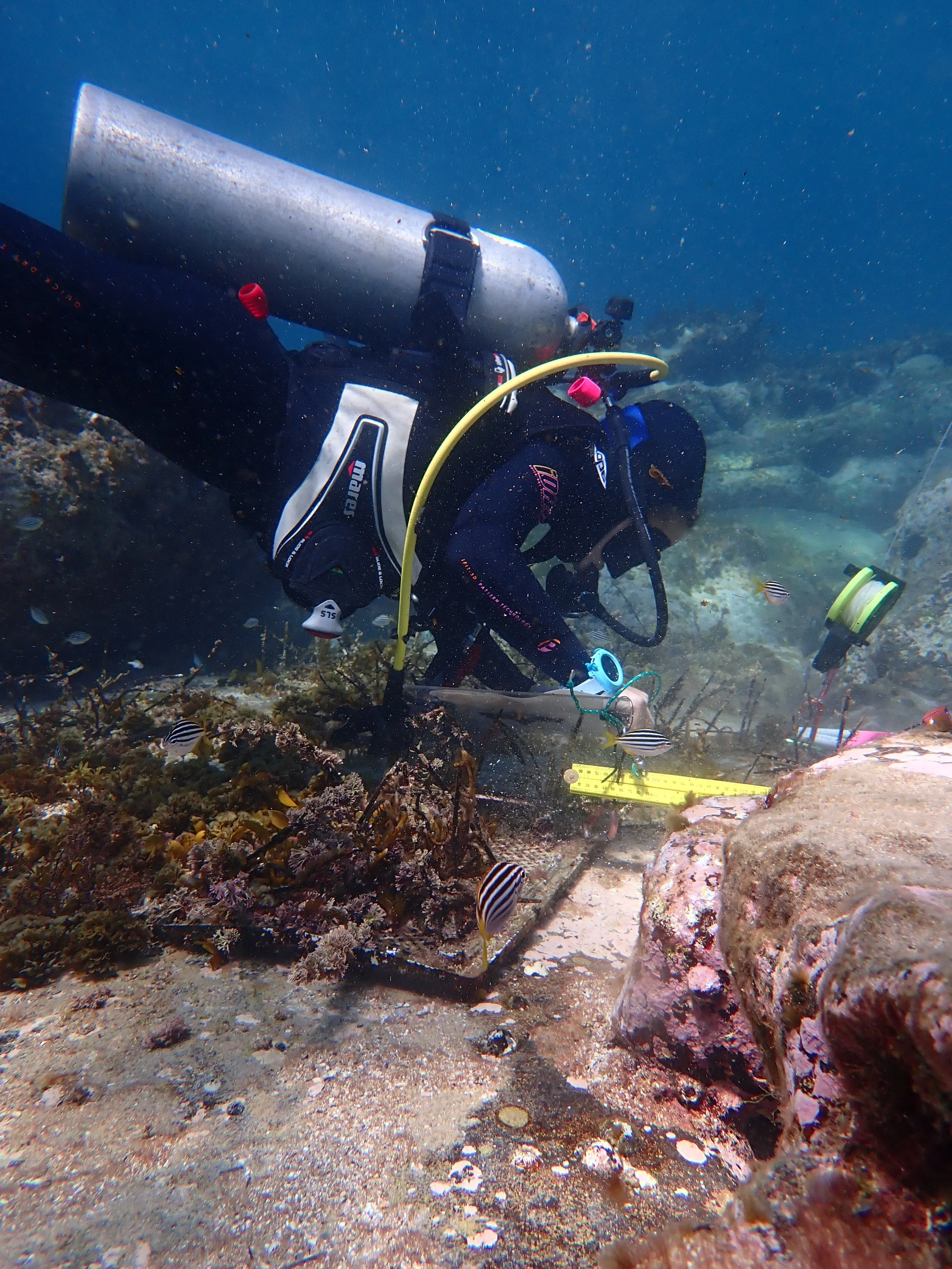
South Maroubra and the craybies of summer 2025
Six months after the initial crayweed planting at South Maroubra, Operation Crayweed’s restoration efforts are showing promising signs of success. In May 2024, the team installed 30 temporary mats on a shallow reef to support crayweed transplantation. By the end of winter 2024, over 200 adult crayweed individuals were transplanted to these mats, with the help of Investa volunteers who assisted in preparation and documentation.

A survey conducted in February 2025 revealed that natural recruitment had exceeded expectations while none of the transplanted adults had survived—likely due to strong swells and high herbivory. Over 1,500 young crayweed recruits, or “craybies,” were recorded, with an average height of ~4 cm. These recruits extended over 10 meters beyond the original mats, demonstrating successful dispersal and establishment.
To enhance the survival of these recruits, a top-up planting was conducted in March 2025. This additional effort aims to restore a protective canopy and reduce the impact of herbivores on the developing crayweed forest. Despite the loss of the adult plants, the strong recruitment signals encourage progress in re-establishing this essential habitat.

Community engagement has been a cornerstone of this project. Investa volunteers played a crucial role in the transplantation process, from assessing donor plants to preparing them for their new environment. Additionally, social media outreach has helped raise awareness about the importance of crayweed restoration.
Operation Crayweed remains committed to monitoring and maintaining the site to ensure long-term success. The high recruitment numbers observed at South Maroubra highlight the resilience of crayweed and reinforce the importance of continued restoration efforts along Sydney’s coastline.

Thanks for the Investa and The Ian Potter Foundation support for our work.

Sea The Weed: Ceremony, Science, Snorkel
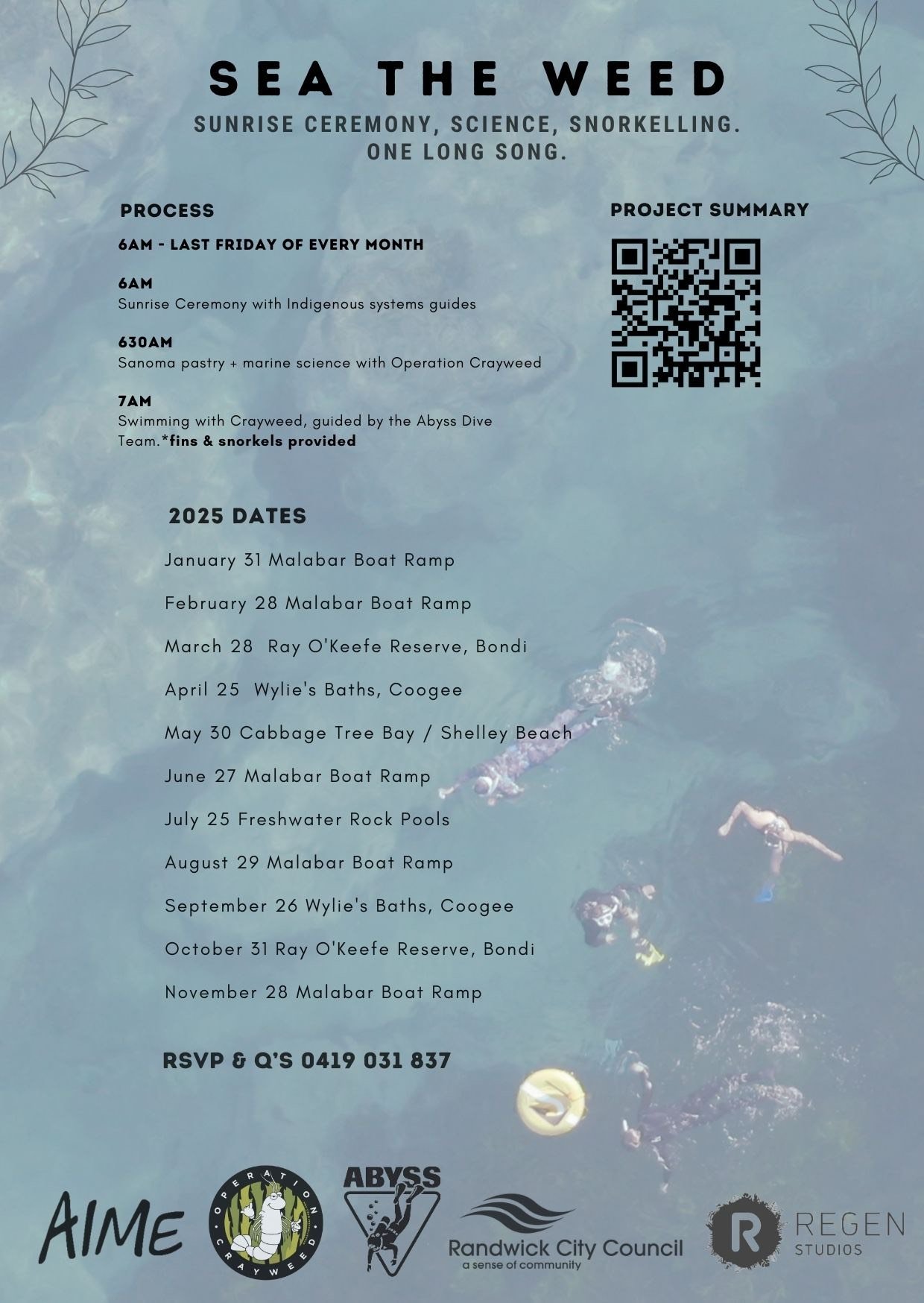
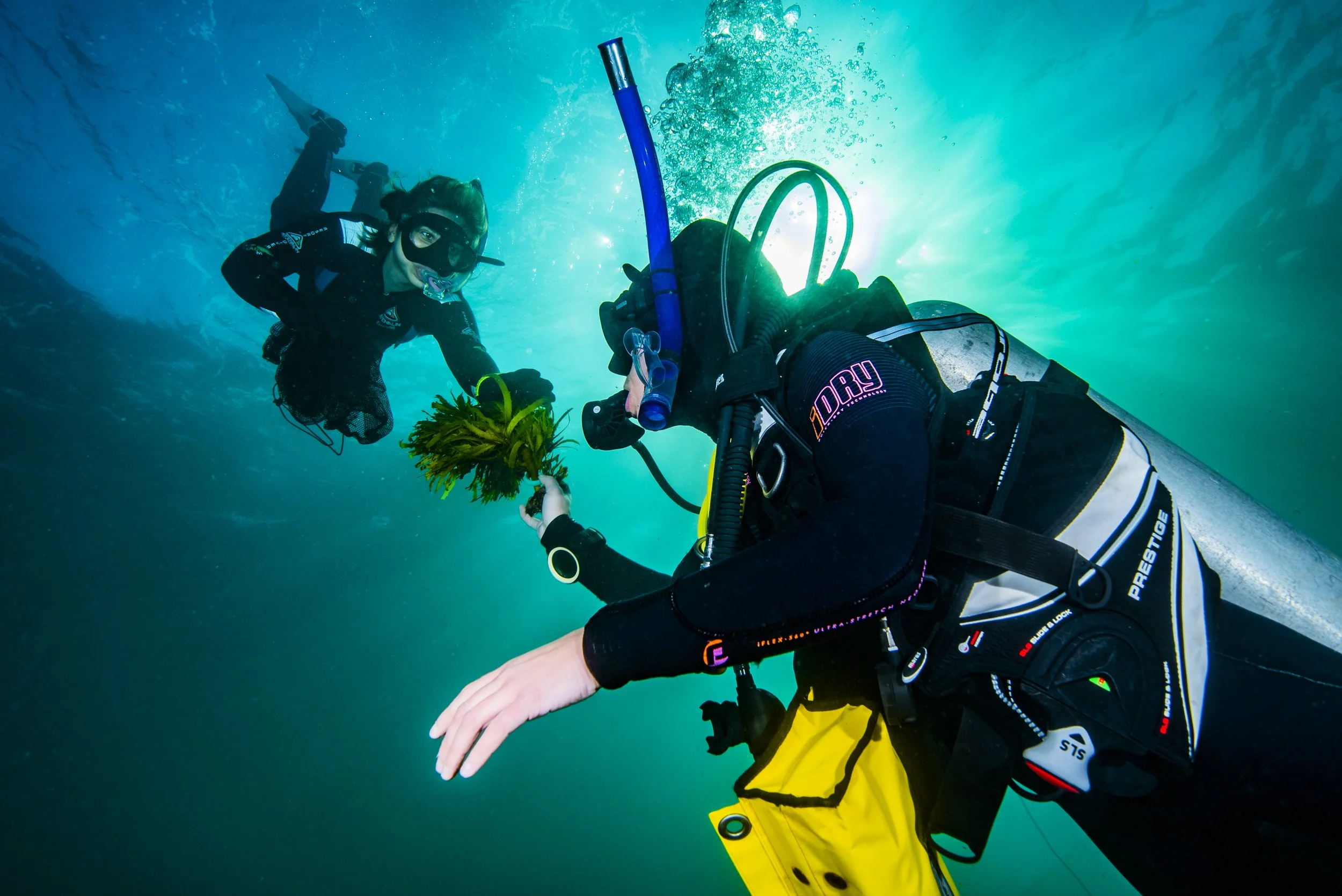
Hands-on experience opportunity alert! As part of our Ian Potter Foundation project, AIME’s Ocean Ambassadors will lead monthly ‘Sea the Weed: Ceremony, Science and Snorkelling’ events, on the last Friday of every month in 2025. These immersive experiences start with a ceremony grounded in traditional ways, including an in-depth explanation of the science behind kelp restoration and conclude with a guided snorkelling session at a restoration site.
See below some photos from an event from last year, which was attended by the Operation Crayweed team who provided an update on the project.


Please keep updated on the AIME social channels and the schedule below about where the next event will take place!


Restoration efforts supercharged by The Ian Potter Foundation
We are thrilled to announce that our initiative, Local to Global Strategies for Accelerating Kelp Restoration, has received funding from The Ian Potter Foundation, an Australian philanthropic organisation that provides grants to support initiatives in the arts, environment, education, health, and community wellbeing. This generous support will enable us to implement our plans over the next four years, with a focus on restoring crayweed forests at more critical sites along the Sydney coastline.
In collaboration with the Kelp Forest Alliance, this initiative aims to reconnect crayweed habitats, enhance the rich biodiversity they sustain, and contribute to the global mission of protecting and restoring 4 million hectares of kelp forests by 2040. These efforts will not only help safeguard marine ecosystems but also highlight Australia's role as a leader in marine restoration.
We are also proud to partner with AIME to share our collective story with the broader community. Through this partnership, we aim to foster a deeper connection to our underwater world, inspiring people to value and protect these vital ecosystems.
We are eager to embark on this important work and look forward to sharing our progress with you in the months and years ahead. Thank you for your ongoing support in helping us make a difference for our oceans!


Investa & Operation Crayweed: A successful partnership for restoration
Thanks to the partnership with Investa, Operation Crayweed has recently expanded restoration efforts to three new sites along the Sydney coastline, with inspiring results. Lurline Bay, Dee Why and South Maroubra were planted during the winter of 2024, by the Operation Crayweed team with the help of Investa volunteers.

In December 2024, surveys at the new restoration site in Dee Why revealed 466 crayweed recruits (‘craybies’). At Lurline Bay, first planted in late 2023 and ‘topped up’ in winter 2024, 416 recruits were recorded, up from just 10 last year. The tallest recruit there has already grown to 47 cm! The third site, South Maroubra, will be monitored in January 2025 – so stay tuned on our Instagram @thetrueoperationcrayweed for more news.


Making waves: athletes helping restore Sydney's marine ecosystem
On August 14, we at Operation Crayweed had the privilege of hosting a remarkable event, “The Ultimate Recovery Session,” at South Coogee Beach. Together with Gemba and some of Sydney’s most beloved athletes, we took another significant step toward restoring Sydney’s lost crayweed forests.
Thanks to Gemba’s generous support through their ‘Dividend for the Planet’ initiative, this event was not only possible but also impactful. Gemba allocated 2% of their annual profits to our cause and provided pro-bono services to help us organise this special day.
Athletes from teams like the GWS GIANTS, Sydney FC, and the Sydney Swifts braved the winter waters to assist in planting juvenile crayweed. Winter is the perfect time for crayweed growth, and these efforts are crucial for revitalising marine ecosystems.
We’re incredibly grateful to the athletes, volunteers, and supporters who joined us. As Professor Adriana Vergés highlighted, restoring crayweed brings back entire marine communities, ensuring healthier oceans for future generations.
This event was a testament to what we can achieve together. Thank you for helping us rebuild Sydney’s underwater forests, one crayweed at a time!



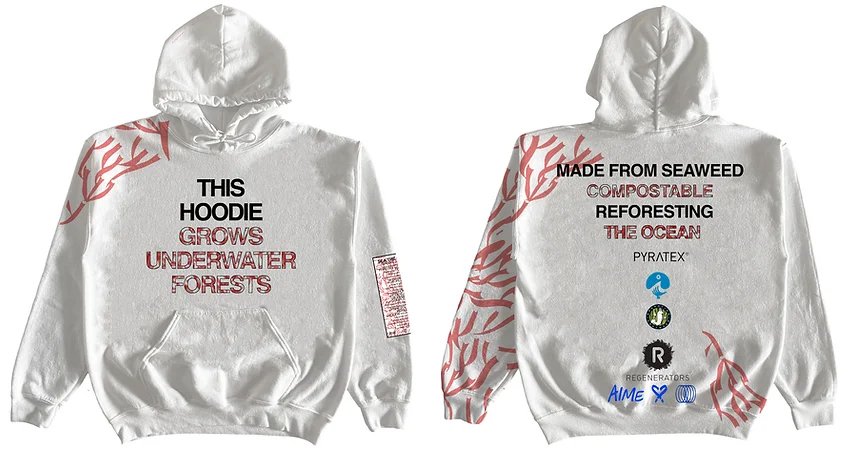
Compostable Hoodies to Fund Restoration
In an innovative collaboration, the Regenerators and AIME have introduced one of the world's first custom-designed, fully compostable hoodies made from seaweed. This initiative aims to raise $1 million to support the efforts of Operation Crayweed, by selling 2000 of these hoodies!
By purchasing one of these seaweed hoodies, you directly contribute to the reforestation of Sydney's underwater ecosystems. Each sale brings the project closer to its $1 million target, which will contribute to facilitating the re-establishment of crayweed in Sydney. This initiative not only offers a sustainable fashion choice, but also provides an opportunity to play a part in restoring Sydney's marine ecosystems. Huge thanks to AIME and the Regenerators for their unique and ambitious partnership, and to Damon Gameau for the fantastic video below!
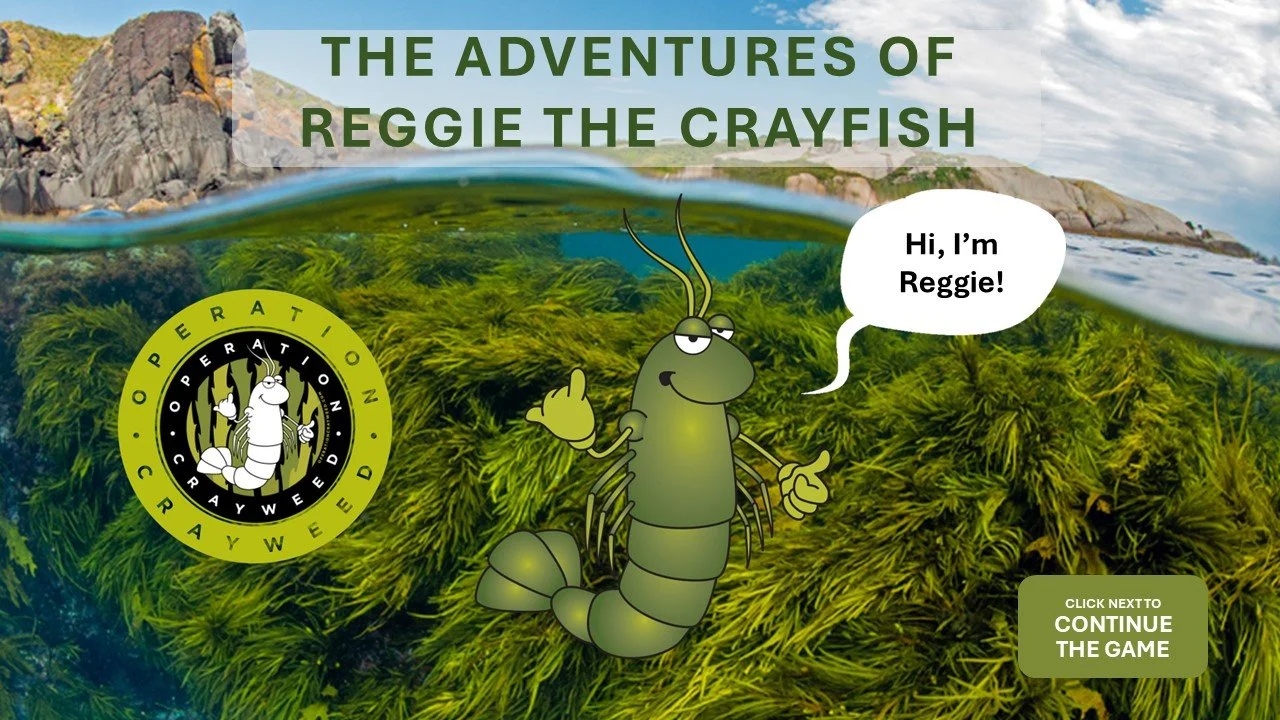
Play and Learn! The Adventures of Reggie the Crayfish
Join us for a game of The Adventures of Reggie the Crayfish! The game can only be played on a computer. Scroll through the slides, click the links provided, make your own choices, and help Reggie find a home!


Science Meets Art at Balgowlah North Public School
A group of talented Year 4 students from Balgowlah North Public School have teamed up with artists Jennifer Turpin and Michaelie Crawford, curator Christiane Statham (Turpin + Crawford Studio), filmmakers from Lightwell Studio, and musician Ben Fink to create a unique animated film about Operation Crayweed.
The journey began with hands-on excursions to the Long Reef rock platform and the Sydney Institute of Marine Science (SIMS)’s Marine Lab in Chowder Bay, where the students discovered the science behind crayweed restoration. Inspired by their learning, they brought the project to life through drawing, songwriting, singing, and dancing, transforming marine science into a creative and engaging film.
This short film is the latest in an ongoing series of art and science collaborations between Turpin + Crawford Studio and Operation Crayweed. By blending creativity with environmental education, the project aimed at empowering young people to become ambassadors for ocean health, and at raising awareness about the vital role of restoring crayweed for the wellbeing of Sydney’s underwater ecosystems.
This project was supported by the John T Reid Foundation.
We are bringing crayweed back to Cabbage Tree Bay, in Manly!
Since starting our underwater gardening in 2011, Operation Crayweed has had the privilege of working at many beautiful coastal locations around Sydney. Now, Operation Crayweed has been given access to a very special and stunning location: the Cabbage Tree Bay Aquatic Reserve, in Manly. Designated as a sanctuary zone in 2002 where no fishing is allowed, Cabbage Tree Bay is the first aquatic reserve we have worked in.

Volunteers from Friends of Cabbage Tree Bay assist with the sorting and measuring of crayweed before it is transplanted.

Some of the volunteers that joined the Operation Crayweed team at Cabbage Tree Bay.
Cabbage Tree Bay is a spectacular place in many regards. The traditional custodians of Cabbage Tree Bay, the Kameraigal clan, revered the bay for plentiful fishing and perfectly protected camping. Since the instalment of deep ocean outfalls and since becoming protected from fishing, Cabbage Tree bay has become one of the most diverse marine communities in Sydney, with over 50 invertebrate species and 160 fish species having been identified.
Nowadays Cabbage Tree bay has become famous for its dusky whalers congregations over Easter, the giant cuttlefish mating displays through the winter, and the vibrant and diverse fish communities all through the year.


Now, for the first time in roughly forty years, crayweed is one of the species found at
Cabbage Tree Bay.
It is through members of the local community that Operation Crayweed has been given the opportunity to bring crayweed back to the bay. Dorset Sutton and Jenny Lim (The Sutton-Lim Initiative) have partnered with Operation Crayweed and The Sydney Institute of Marine Science, with the shared goal of further enhancing the already vibrant underwater-scape of Cabbage Tree Bay.
With their help we have been able to ‘plant’ crayweed at three different locations around the bay, and now eagerly await the appearance of ‘craybies’.
The people that watch over Cabbage Tree Bay are a big part of what makes it such a special place, including the Friends of Cabbage Tree Bay community and the Bold & Beautiful swimming groups, who are present every day, protecting it and educating visitors.
The exciting task of preparing and planting crayweed was documented by the team at Grumpy Turtle Design. We are thrilled to have so many Cabbage Tree Bay locals, and marine enthusiasts join us in the project.
Operation Crayweed would also like to thank John T Reid Charitable Trusts for their ongoing contribution to this project.


The Future of the Pacific and its Societies
In June 2017, UNSW Sydney hosted the 21st Presidents Meeting & CEO Summit "The Future of the Pacific and its Societies".
This meeting brought together leaders from the Association of Pacific Rim Universities (APRU) network to discuss issues affecting our region and to develop strategies that can have a meaningful impact on our region's future.
To mark the occasion, the Operation Crayweed team planted a new underwater crayweed forest in iconic Bondi Beach on behalf of all APRU delegates.

Operation Crayweed scuba diver drilling mats to assist the establishment of crayweed.
Check-out the video below to watch how this new APRU crayweed forest came into being. Filmed and edited by the talented John Turnbull, a.k.a. Marine Explorer!